John Berardi is one of the smartest nutrition people I know (he’s worked with athletes in every major professional sport: NFL, MLB, NBA, and NHL). I got an email from him the other day with a link to this article. If you’re a young athlete who is looking to gain weight, this is a great read. All too often we make it complex; if you want to keep it simple and effective, read this now: www.precisionnutrition.com/6-scrawny-mistakes.
Enjoy the read!
So I realized the other day that perhaps the single bonding element between anyone and everyone is water. While it’s not simply that everyone’s body’s are made up of it, but rather that everyone needs more of it. If you’ve talked to me or read my writings before you know that I think “more” water is the key, and without actually numbers or gauges (because I think they are impractical for about 99% of the population) I typically don’t know exactly how to prescribe my remedy of “more.” Because of that I’ve been doing some thinking and some application of those thoughts with a number of people.
Here is my solution: Drink more water. As a matter of fact, you should make it a target to drink 32 oz of water during the first half of the day. For most people the first half of the day can be defined by a certain mark or event. If you’re a high school kid, it should be the end of school (2 or 3 o’clock). If you’re a college athlete, it should be before your afternoon or evening practice or perhaps your last class of the day (somewhere around 4ish). As a college athlete your days are typically later (sometimes much later, but shhh…that secret is between you and I), so therefore your 1/2 day landmark is often around 4 possibly even 5 o’clock. For the second half of the day you should shoot for the same goal of 32 oz. On top of that, you should drink additional water during your practice, game, or gym session. This means that the water consumption during practice or a workout doesn’t count towards your daily total of 64 oz.
Now, I’m sure there are hands going up everywhere as to how I came up with 64 oz. Calm down…in simple terms it works out well because 32 oz fits nicely in most Nalgene type water bottles; this means that you can fill one up and gauge your liquid consumption easily by simply trying to drink two of them a day (and no, other liquids don’t count…especially the ones with yeast, barley, and wheat!). I will make one exception to the rule and say that a sports drink during practice or a workout is fine and actually encouraged, but remember it doesn’t count towards your daily 64 anyways. The other thing about 64 oz is that while it isn’t specific to every individual person, it is a rather accurate gauge in general terms–and let’s be honest, most people need direction that is simple and easy to follow, not keeping tabs on your urine color or weighing yourself before or after sporting events.
So here is my challenge to you. For the next 7 days, simply trying to consume 32 oz in the first half of your day, and then an additional 32 oz in the second half of the day. Yes it seems like a lot of water at first, but to be honest it is still probably less than you really need. You’ll piss like a racehorse for the first couple of days, but then you’ll adjust and you’ll be just fine. And don’t forget that any drinks that aren’twater add on extra water. That means that your glass of juice sitting by your computer is tacking on extra ounces of water…it doesn’t count in my book-sorry.
Trust me, in 7 days you’ll feel better and function better and all for free!
If you’re a trainer, you’re already having all of your clients roll. But if you’re a coach, parent, or athlete and you haven’t started foam rolling yet, you’re behind. That’s right. My little sales pitch to you goes a little something like this: “All of the cool kids are doing it!” Need I say more?
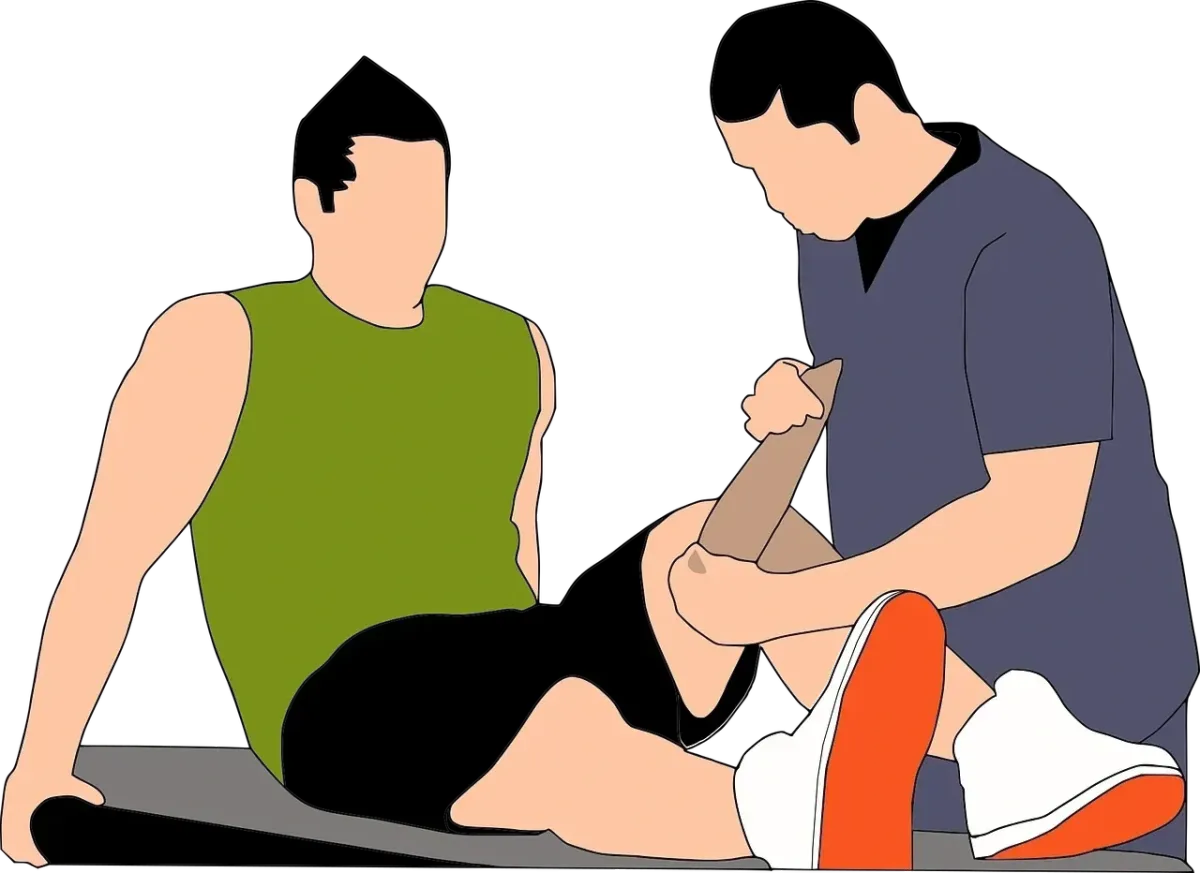
Foam rolling actually helps make the muscle and tissue more pliable and flexible (it does this via a process called “autogenic inhibition,” where the pressure basically stimulates the GTO (Golgi Tendon Organ) which inhibits the muscle spindles and consequently allows the muscle to lengthen. It’s kind of like a poor mans massage. At first, athletes will be very tender and often hesitant to roll. After a brief period of regular use (daily for 2-3 weeks) however, they will begin to notice a big change. Athletes typically fall in love with the roll by week 3 or 4, and after that the two are inseperable.
The Use: Use foam rolling daily before practice, and/or lifting sessions. I like to have athletes go through a complete total body roll before they do anything else (before stretching, dynamic warm-ups, or any other type(s) of activation). This will set the stage for the rest of the workout/practice. Focus on the problem and painful areas initially, and once they begin to resolve themselves move on to other areas. I also encourage the daily use of foam rolling at the end of practice as well. Once done with the workout/practice, put the athlete on the foam roll real quick and then have them stretch after (total body once again on both rolling and stretching!). It’s smart to stretch before you leave practice because no one wants to stretch when they get home.
If you are new to foam rolling or want a simple progression to follow with the foam rolls, download my packet below and use that as a guide. Foam rolls can be purchased online at: www.performbetter.com. Purchase the black ones. My recommendation is the 6″ round, 3ft long ones. If you’re getting it for personal use, cut 1ft of it for traveling with you to games (fits in a bag nicely) and leave the other 2ft section at home. If you’re a coach, you can either cut the 3ft rolls into 1ft sections or 1.5ft sections if you want to allow more use of them for bigger teams (track, football, etc.).