Training Facility and Gym: 2 DeLorme Drive, Yarmouth, Maine 04097 | 207-212-8371

PROVIDING SIMPLE, EFFECTIVE, AND PERSONALIZED SOLUTIONS
ARTICLES
Does Lifting Weights Really Wear Out Your Joints?
"Your joints weren't designed to avoid load. They were designed to adapt to it."
I've heard this concern from a lot of adults over the years.
"I don't want to lift too much because I'm worried about my joints."
And I understand where that thinking comes from.
If your knees already feel stiff...
Or your shoulders don't move quite like they used to...
The idea of adding weight to those joints might not sound like the smartest decision.
But here's something worth considering:
What if avoiding strength training isn't protecting your joints the way you think it is?
The "Wear and Tear" Myth
There's a common belief that lifting weights gradually wears down your joints.
Almost like a car tire losing its tread.
The more you use it, the faster it wears out.
But our bodies don't work exactly like that.
Joints are living structures.
And the muscles, tendons, bones, ligaments, and other tissues surrounding them can adapt to appropriate physical demands.
That's one reason movement and exercise remain such important parts of long-term health.
The body responds to what it is regularly asked to do.
Loading Isn't the Same as Damaging
Many people hear the word load and immediately think damage.
They're not the same thing.
Everyday activities already place load on your joints.
Standing up from a chair.
Walking upstairs.
Carrying groceries.
Getting off the floor.
Picking up a grandchild.
Reaching overhead to place something on a shelf.
Your joints are constantly managing force.
Strength training simply gives us a controlled environment to prepare for those demands.
Instead of hoping your body can handle them, you're training it to handle them.
Strength Supports Function
Research has consistently shown that appropriately designed resistance training can improve:
Strength
Physical function
Balance
Mobility
Everyday movement capacity
Strengthening exercises are commonly recommended as part of managing conditions such as knee osteoarthritis because stronger muscles can help support the joints and improve function.
That doesn't mean every exercise is right for every person.
And it certainly doesn't mean ignoring pain.
But it does challenge the idea that loading a joint is automatically harmful.
The Goal Is Capacity
Think about what many adults want from exercise.
They want to:
Walk comfortably
Climb stairs confidently
Carry groceries without difficulty
Travel without limitations
Stay independent as they age
All of those activities require force production.
The body needs enough strength and capacity to meet those demands.
If we never challenge those systems in training, we may gradually lose some of the physical qualities needed to perform them.
That's why strength training isn't really about lifting weights.
It's about building capacity.
Good Strength Training Is Adjustable
One reason strength training is so valuable is that it can be tailored to the individual.
We can:
Adjust resistance
Modify range of motion
Change exercise selection
Alter tempo
Use different equipment
Progress gradually
That flexibility allows people to train at an appropriate level for their current ability.
The goal isn't to prove how much weight you can lift.
The goal is to challenge the body enough that it has a reason to adapt.
Challenge vs. Overload
It's important to recognize that there's a difference between challenging your body and overloading it.
Good training provides an appropriate challenge.
Too much too soon can create problems.
That's why progression matters.
That's why technique matters.
And that's why recovery matters.
The answer isn't avoiding load altogether.
It's applying load intelligently.
Stronger Joints Through Stronger Support
I don't look at strength training as something that automatically puts joints at risk.
When appropriately designed, it can be one of the most effective tools available for supporting long-term function.
Because your joints don't operate by themselves.
They're supported by muscles.
Influenced by movement quality.
Protected by your ability to control force.
The stronger and more capable those systems become, the better equipped your body is to handle the demands of everyday life.
Keep Using What You Want to Keep
The next time you hear someone say lifting weights is bad for your joints, I'd encourage you to question that assumption.
Because the goal isn't to avoid using your joints.
The goal is to build the strength, confidence, and capacity to keep using them well for as long as possible.
Your body adapts to the demands placed upon it.
Give it an appropriate challenge.
Then let it do what it's designed to do:
Adapt.
— Coach Shelby & The Shelby Trained Team

Health & Wellness - differently!

The Simplementation System is a health & wellness-based system that is built upon successfully implement evidence-based actions into people's busy lives.
What are your specific fitness goals?
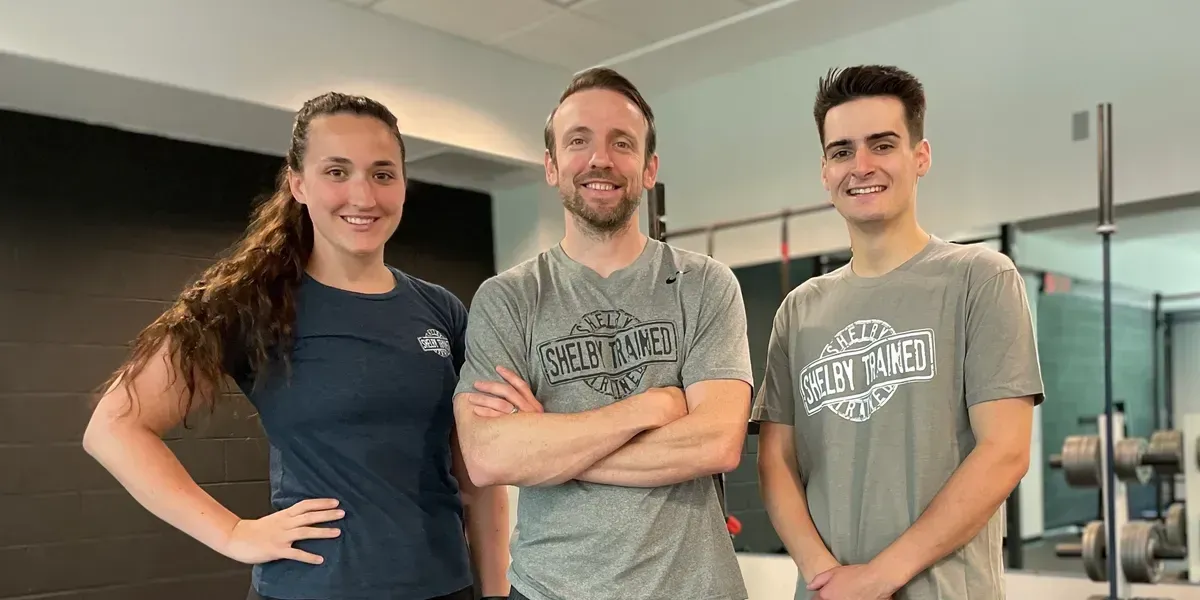
Our Team believes in providing a personalized approach to ensure your results. We are purposeful in everything from the workouts, to the coaching, to the fun/safe environment.
Learn why people seek us out to help them change their lives!
ARTICLES

July 23, 2021
Not Popular, But It's Science
July 1, 2021
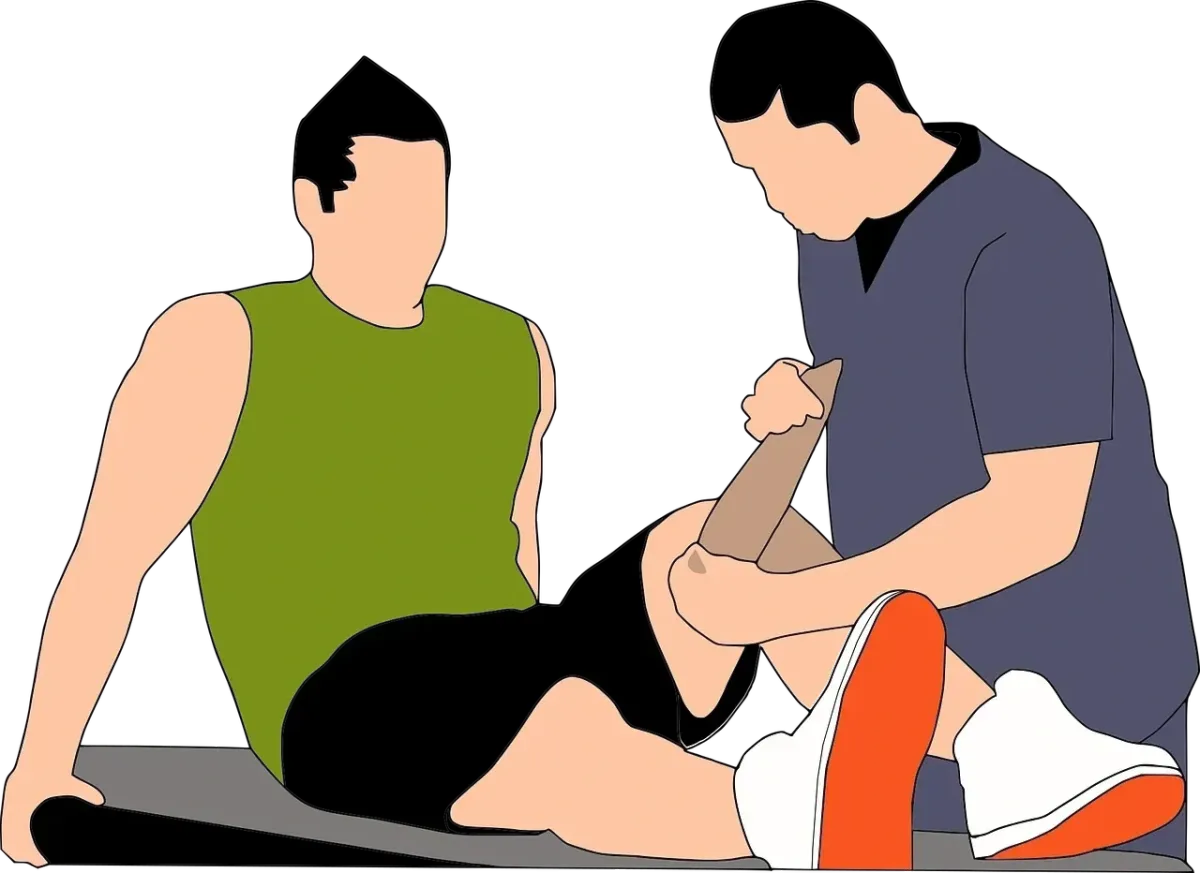
How to train around injuries

July 1, 2021
Speed - what it really is

April 28, 2021
The X factor
Copyright © 2023 Shelby Trained - All Rights Reserved.