Training Facility and Gym: 2 DeLorme Drive, Yarmouth, Maine 04097 | 207-212-8371

PROVIDING SIMPLE, EFFECTIVE, AND PERSONALIZED SOLUTIONS
ARTICLES
Don't Wait Until You're Tired to Recover
"The best recovery habits aren't reactive. They're proactive. By the time your body is demanding recovery, you've probably needed it for days."
One of the easiest mistakes athletes make is treating recovery like it's something you only need when you're exhausted.
"I'll sleep in this weekend."
"I'll take a day off when my body tells me to."
"I'll recover once the season slows down."
The problem is...
By the time your body is asking for recovery, you've probably needed it for a while.
Recovery isn't something you earn after pushing yourself to the limit.
It's something you plan for before you ever get there.
The athletes who stay healthy and perform consistently throughout a season usually aren't the ones who never get sore.
They're the ones who don't let small amounts of fatigue pile up day after day.
Recovery Is a Daily Habit
Many athletes think recovery begins when they're exhausted.
In reality, recovery should be happening long before that point.
The best performers don't wait until they're completely drained to take care of themselves.
They build recovery into their routine.
They eat before they're starving.
They hydrate before they're dehydrated.
They go to bed before they're completely exhausted.
None of these habits seem particularly impressive on their own.
But together, they create a foundation that helps athletes train, compete, and recover more effectively.
Small Choices Add Up
Recovery isn't usually won or lost in a single day.
It's the result of hundreds of small decisions.
One night of quality sleep.
One extra bottle of water.
One well-timed meal after practice.
One decision to prioritize recovery instead of delaying it.
Those choices may seem insignificant in the moment.
But over the course of a season, they add up.
And so does fatigue.
Athletes who consistently neglect recovery often discover that performance slowly begins to change.
Not all at once.
But gradually.
When Fatigue Starts Showing Up
We've all seen athletes who look incredible at the beginning of a season.
They're fast.
Explosive.
Confident.
Everything looks sharp.
Then, as the weeks pass, something changes.
Their movements lose a little crispness.
Their first step isn't quite as quick.
Their reaction time slows just enough.
Their energy seems slightly lower than before.
Nothing dramatic.
Just enough to make a difference.
The challenge is that many athletes see those changes and assume they need to train harder.
Often, that's not the answer.
Recovery Supports Performance
Sometimes the missing piece isn't more work.
It's better recovery.
Recovery doesn't mean doing less.
It means giving your body the resources it needs to continue doing more.
The ability to perform at a high level depends on your ability to recover from the demands placed on your body.
The better you recover, the more consistently you can train.
The more consistently you can train, the more opportunities you have to improve.
That's how long-term progress is built.
Stay Ahead of Fatigue
Don't wait until your body forces you to slow down.
Stay ahead of it.
Make sleep a priority.
Fuel your body consistently.
Hydrate before you feel thirsty.
Treat recovery as part of your training process, not something separate from it.
Because the athletes who recover well don't just feel better.
They often perform better too.
And that's one of the best ways to keep improving all season long.
— Coach Shelby & The Shelby Trained Team

Health & Wellness - differently!

The Simplementation System is a health & wellness-based system that is built upon successfully implement evidence-based actions into people's busy lives.
What are your specific fitness goals?
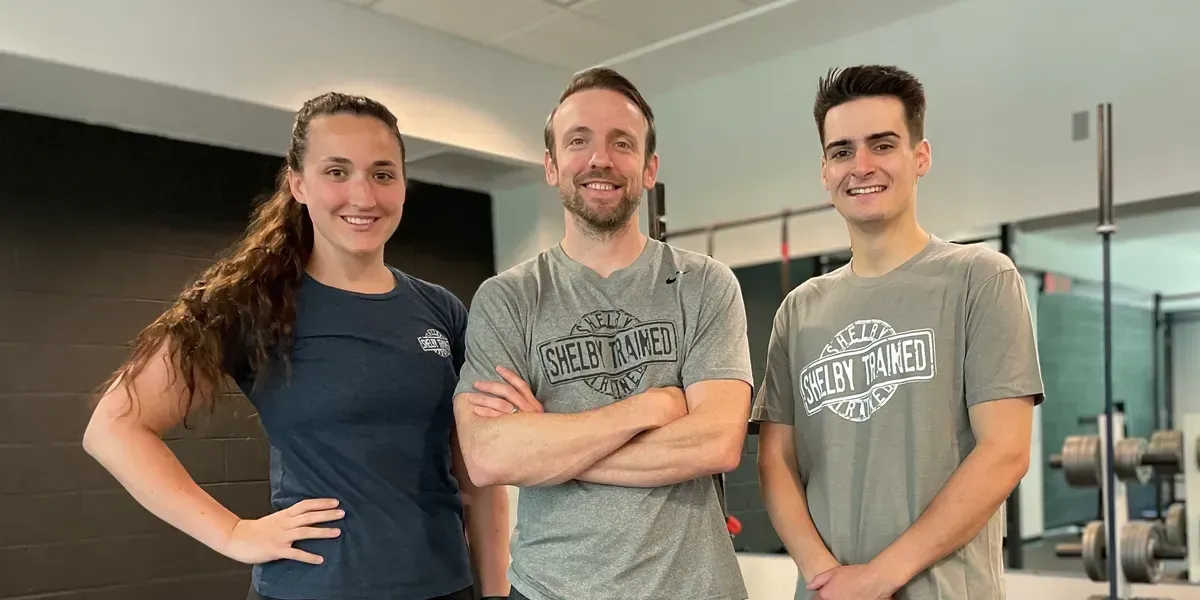
Our Team believes in providing a personalized approach to ensure your results. We are purposeful in everything from the workouts, to the coaching, to the fun/safe environment.
Learn why people seek us out to help them change their lives!
ARTICLES
July 23, 2021
Not Popular, But It's Science
July 1, 2021
How to train around injuries
July 1, 2021
Speed - what it really is

April 28, 2021
The X factor
Copyright © 2023 Shelby Trained - All Rights Reserved.