Training Facility and Gym: 2 DeLorme Drive, Yarmouth, Maine 04097 | 207-212-8371

PROVIDING SIMPLE, EFFECTIVE, AND PERSONALIZED SOLUTIONS
ARTICLES
You Can’t Outwork Bad Recovery
"The athletes who improve the most aren't always the ones who train the hardest. They're often the ones who recover the best."
Most athletes understand the importance of hard work.
They show up to practice.
They put in extra reps.
They lift, run, compete, and push themselves to improve.
The problem isn't usually a lack of effort.
In many cases, the issue is that athletes are trying to stack more work on top of poor recovery.
And eventually, the body stops cooperating.
I've seen it happen countless times.
An athlete starts a training cycle feeling great. Energy is high. Strength is improving. Workouts feel productive. Progress seems obvious.
Then, little by little, things begin to change.
Warm-ups feel heavier.
Soreness lingers longer than usual.
Speed and explosiveness don't feel the same.
The body starts sending signals that something is off.
Unfortunately, many athletes respond the same way.
They assume they need to train harder.
Most of the time, that's not the answer.
Progress Happens Between Workouts
Training creates stress.
That's exactly what it's supposed to do.
Every workout challenges your muscles, nervous system, and energy systems to perform at a higher level.
But training itself doesn't make you stronger.
Recovery does.
The workout creates the demand.
Recovery allows your body to adapt to that demand.
Without adequate recovery, your body never gets the opportunity to fully rebuild and improve.
Instead of progressing, you begin accumulating fatigue.
And fatigue has a way of disguising itself as a lack of motivation, lack of strength, or lack of performance.
The Recovery Habits That Matter Most
Recovery doesn't need to be complicated.
It starts with the fundamentals.
Did you eat enough to replace the energy you used during training?
Did you consume enough protein to support muscle repair and growth?
Did you get enough quality sleep to allow your nervous system to recover?
None of those habits generate highlight reels.
They're not exciting.
They won't earn attention on social media.
But they are some of the most important performance tools an athlete has.
When these areas are neglected, it's difficult for the body to perform at its best, regardless of how hard someone trains.
More Work Isn't Always the Solution
Athletes often believe that if progress slows down, they simply need to do more.
More conditioning.
More lifting.
More training.
More effort.
But if recovery isn't keeping pace with the workload, additional training can create even more problems.
You can't continue asking your body to give more if you're not providing what it needs to adapt.
At some point, you're no longer building capacity.
You're simply draining the system.
The Question to Ask Yourself This Week
This week, don't just evaluate how hard you worked.
Take a closer look at what happened after the workout.
Did you prioritize sleep?
Did you fuel your body properly?
Did you give yourself the resources needed to recover and adapt?
Because the thing holding you back might not be your training.
It might be your recovery.
And improving recovery is often the fastest way to unlock better performance.
— Coach Shelby & The Shelby Trained Team

Health & Wellness - differently!

The Simplementation System is a health & wellness-based system that is built upon successfully implement evidence-based actions into people's busy lives.
What are your specific fitness goals?
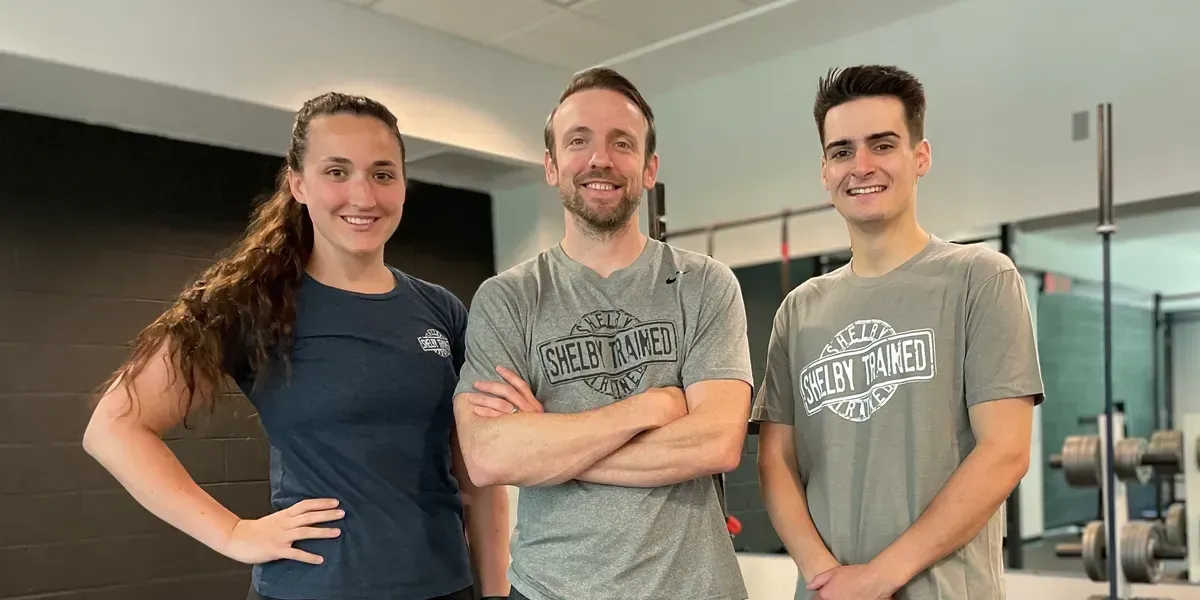
Our Team believes in providing a personalized approach to ensure your results. We are purposeful in everything from the workouts, to the coaching, to the fun/safe environment.
Learn why people seek us out to help them change their lives!
ARTICLES
July 23, 2021
Not Popular, But It's Science
July 1, 2021
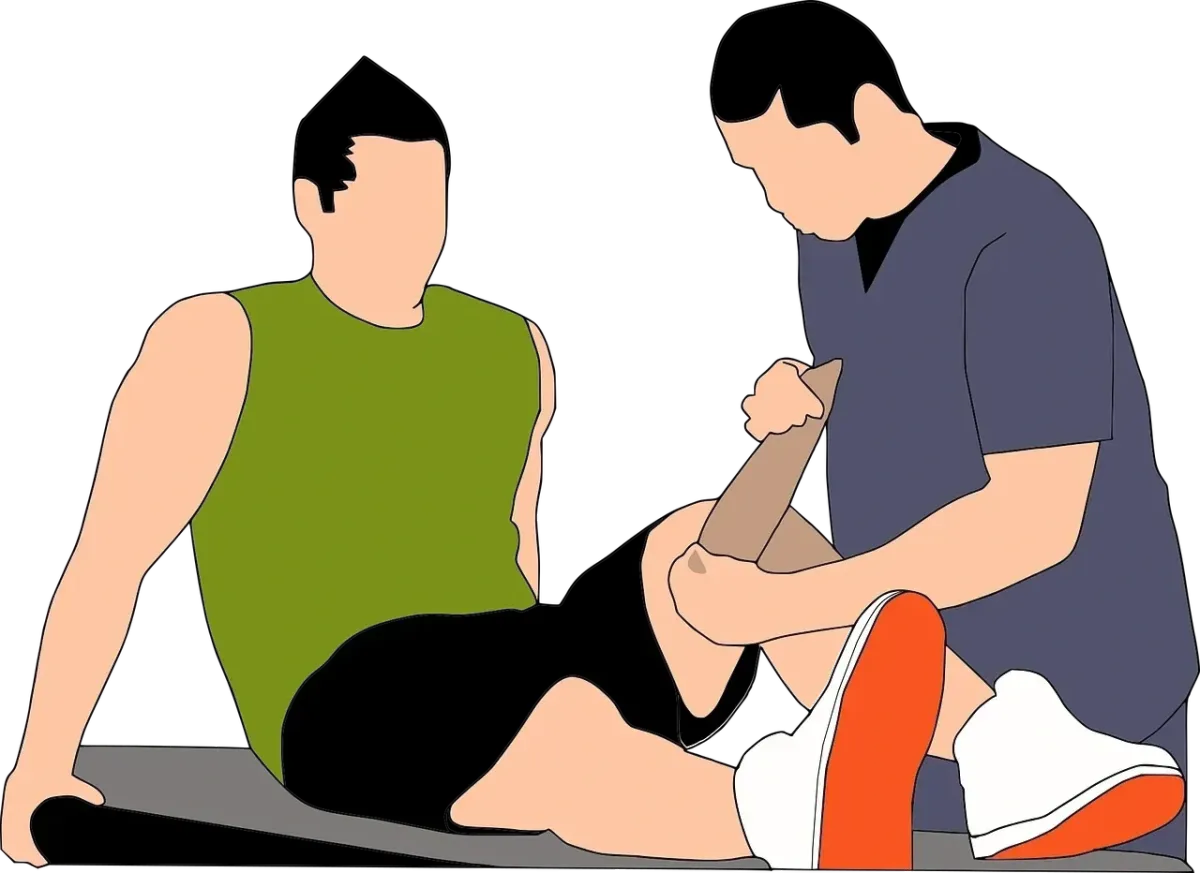
How to train around injuries

July 1, 2021
Speed - what it really is

April 28, 2021
The X factor
Copyright © 2023 Shelby Trained - All Rights Reserved.