Training Facility and Gym: 2 DeLorme Drive, Yarmouth, Maine 04097 | 207-212-8371

PROVIDING SIMPLE, EFFECTIVE, AND PERSONALIZED SOLUTIONS
ARTICLES
The Pain Perception Principle
Recovery, Longevity & Athletic Health
“Pain is real — but it doesn’t always mean something is broken.”
Why Pain Isn’t Always What You Think
When something hurts, the natural reaction is to assume something is wrong.
And sometimes, that’s true.
But here’s the reality:
Pain isn’t as simple as “damage equals pain.”
Your brain is constantly interpreting signals from your body and deciding how strong of a response to create.
That response is influenced by more than just tissue.
Stress levels
Sleep quality
Past injuries
Your perception of the movement
That’s why:
Two people can have the same issue and feel it differently
Pain can show up without a clear injury
Or not show up when you expect it to
What Pain Is Really Telling You
Pain is information.
Not always a direct signal of damage.
It’s your body’s way of saying:
“Something needs attention.”
But how you respond to that signal matters.
Most people go to one extreme:
They feel discomfort—and shut everything down.
And sometimes that’s necessary.
But often, it creates a new problem.
The Cost of Avoiding Movement
When you stop moving completely:
You get stiffer
You get weaker
Your system becomes more sensitive
Over time, that can actually make the issue feel worse.
Avoidance doesn’t always protect you.
Sometimes it just reduces your capacity.
Find the Middle Ground
The better approach is usually somewhere in the middle.
Not pushing through everything.
Not avoiding everything.
But finding a level of movement you can tolerate—and building from there.
That’s where progress happens.
You keep moving
You build confidence
You restore capacity
And you give your body a reason to adapt in a positive way.
Adjust, Don’t Stop
Pain is real.
But it’s not always a stop sign.
Sometimes it’s a signal to adjust.
Slow things down
Modify the movement
Change the load
Focus on control
Then keep going.
Why This Matters
Learning how to manage pain the right way helps you:
Stay active longer
Build resilience
Reduce sensitivity over time
Maintain strength and movement
Because long-term progress isn’t about avoiding discomfort entirely.
It’s about learning how to move through it the right way.
Final Thought
Pain doesn’t always mean something is broken.
But it does mean something deserves your attention.
Don’t ignore it.
Don’t fear it.
Understand it.
Adjust when needed.
And keep building your ability to move.
That’s what leads to long-term health and performance.
— Coach Shelby & The Shelby Trained Team

Health & Wellness - differently!

The Simplementation System is a health & wellness-based system that is built upon successfully implement evidence-based actions into people's busy lives.
What are your specific fitness goals?
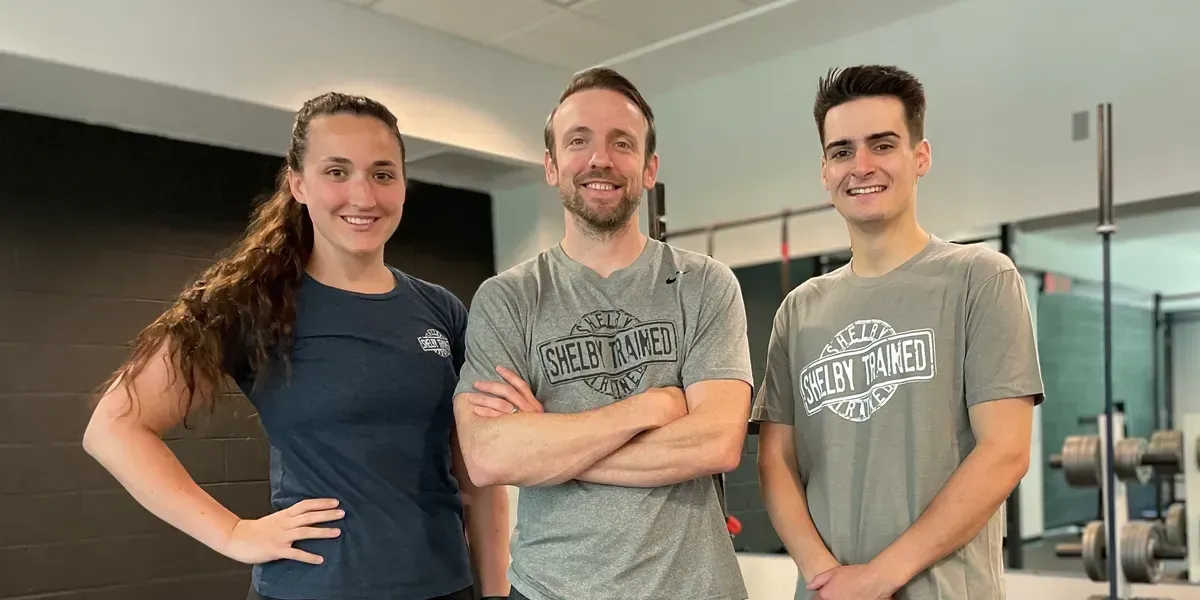
Our Team believes in providing a personalized approach to ensure your results. We are purposeful in everything from the workouts, to the coaching, to the fun/safe environment.
Learn why people seek us out to help them change their lives!
ARTICLES

July 23, 2021
Not Popular, But It's Science
July 1, 2021
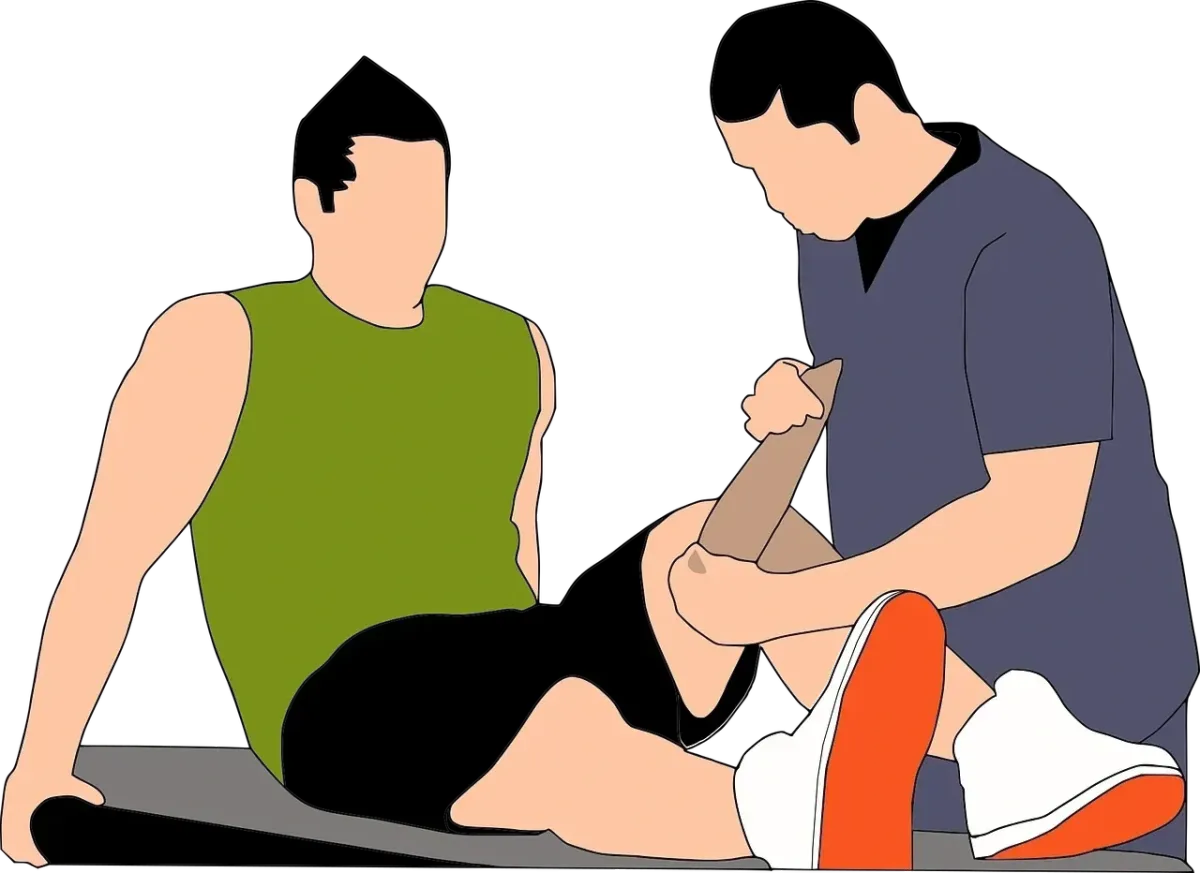
How to train around injuries

July 1, 2021
Speed - what it really is

April 28, 2021
The X factor
Copyright © 2023 Shelby Trained - All Rights Reserved.