Training Facility and Gym: 2 DeLorme Drive, Yarmouth, Maine 04097 | 207-212-8371

PROVIDING SIMPLE, EFFECTIVE, AND PERSONALIZED SOLUTIONS
ARTICLES
Sometimes the Weight Doesn't Need to Go Up
"Progress isn't always adding more weight to the bar. Sometimes it's making the same weight look easier, cleaner, and more repeatable."
Here's a scenario we see pretty regularly.
An athlete performs the same exercise for several weeks.
Week one: 100 pounds.
Week two: 100 pounds.
Week three: still 100 pounds.
It's pretty easy for the athlete to look at that and think:
"I'm not getting stronger."
Maybe.
But the number on the bar isn't the only thing worth tracking.
A better question is:
What did those 100 pounds look like three weeks ago?
Not All Progress Shows Up on the Bar
Maybe during the first week the set looked shaky.
Position started breaking down near the end.
The athlete needed extra rest before the next set.
Every repetition felt like a grind.
Fast-forward a few weeks.
The weight hasn't changed.
But now the movement looks completely different.
Every rep is controlled.
Bar speed is better.
Position stays solid even as fatigue builds.
The athlete finishes the set knowing they had more available.
On a spreadsheet, nothing happened.
From a coaching perspective, a lot happened.
The athlete became more capable at that workload.
And that's progress.
Owning the Weight Before Earning More
Athletes can become obsessed with adding weight every session.
More plates.
More resistance.
More numbers.
But more isn't always the immediate goal.
Sometimes we want athletes to own what they're already doing.
Can you control it better?
Can you repeat it more consistently?
Can you maintain technique when you're tired?
Can you complete the same work with less perceived effort?
Those improvements matter.
In many cases, they're exactly what should happen before the weight goes up.
Quality Creates Long-Term Strength
Strength isn't just the ability to move a heavy load once.
It's the ability to demonstrate control, consistency, and efficiency repeatedly.
An athlete who can perform every rep with good mechanics is building a stronger foundation than one who constantly adds weight while sacrificing movement quality.
That's why we pay attention to more than the numbers.
We're looking at:
Movement quality
Positioning
Bar speed
Consistency
Confidence
Effort level
These factors tell us whether an athlete is truly adapting to the training.
The Best Progress Is Sustainable
Eventually, the weight will probably go up.
And when it does, that's great.
But I want it to go up because the athlete has earned the next progression.
Not because Thursday rolled around and we felt obligated to put another plate on the bar.
Good training is about building capacity over time.
That means respecting the process.
Improving the details.
Developing consistency.
And making sure the foundation is ready for what's next.
Don't Let the Numbers Tell the Entire Story
Track the numbers.
They're important.
But don't let the numbers make you miss everything else that's improving.
Sometimes progress is adding weight.
Sometimes it's moving the same weight better.
And often, the athletes who focus on mastering today's workload are the ones who make the biggest gains tomorrow.
— Coach Shelby & The Shelby Trained Team

Health & Wellness - differently!

The Simplementation System is a health & wellness-based system that is built upon successfully implement evidence-based actions into people's busy lives.
What are your specific fitness goals?
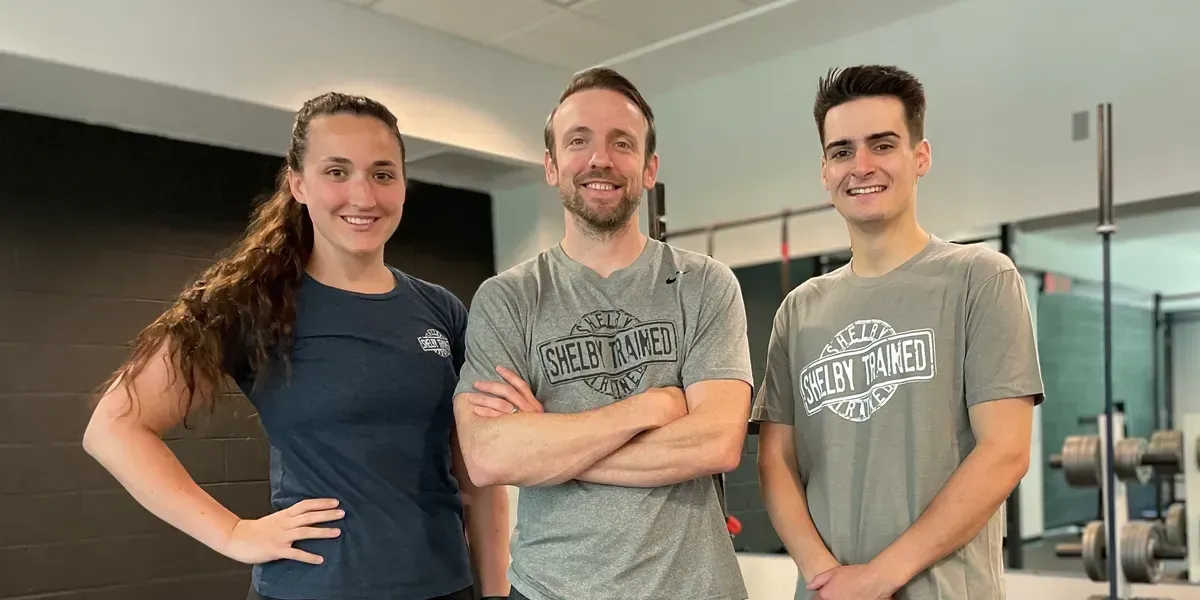
Our Team believes in providing a personalized approach to ensure your results. We are purposeful in everything from the workouts, to the coaching, to the fun/safe environment.
Learn why people seek us out to help them change their lives!
ARTICLES

July 23, 2021
Not Popular, But It's Science
July 1, 2021
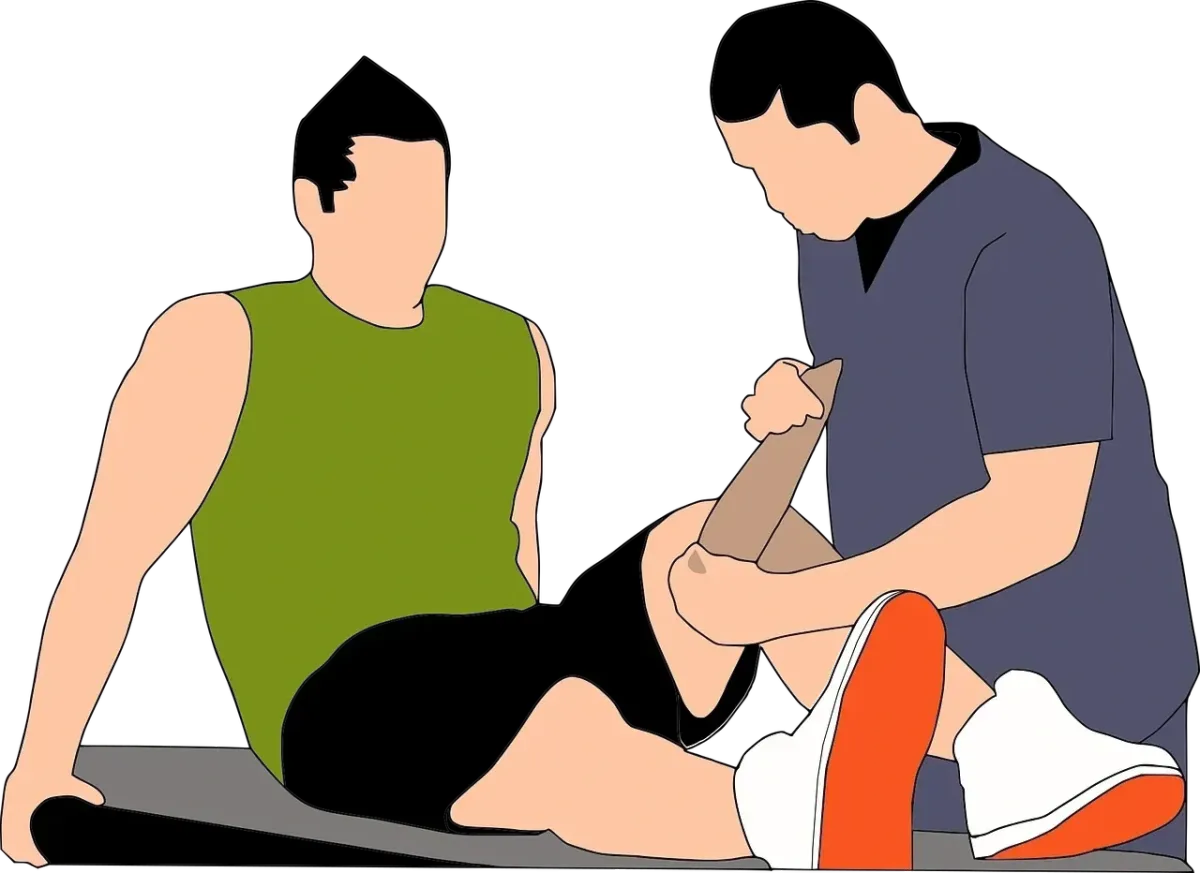
How to train around injuries

July 1, 2021
Speed - what it really is

April 28, 2021
The X factor
Copyright © 2023 Shelby Trained - All Rights Reserved.