Training Facility and Gym: 2 DeLorme Drive, Yarmouth, Maine 04097 | 207-212-8371

PROVIDING SIMPLE, EFFECTIVE, AND PERSONALIZED SOLUTIONS
ARTICLES
Reaching Overhead Shouldn't Require a Strategy
"When movement is working well, you don't spend your day thinking about it. You simply reach, lift, and move without having to create workarounds."
There's a point when people start adapting their lives around a shoulder that doesn't move particularly well.
The coffee mug gets moved to a lower shelf.
You put your jacket on with the same arm first every time.
You turn your entire body instead of reaching into the back seat.
Little adjustments.
And because they happen gradually, you may not even realize you're making them.
At first, they seem harmless.
A different way of reaching.
A slightly different path to accomplish the same task.
But over time, those adjustments can limit the number of movement options available to you.
That's something worth paying attention to.
Mobility Should Make Life Easier
When most people think about shoulder mobility, they think about stretching.
Get more range.
Reach farther.
Improve flexibility.
Those things can be helpful.
But mobility isn't simply about how far a joint can move.
It's about whether you can use that movement efficiently.
Because having access to a position is only part of the equation.
You also need control.
You need strength.
And you need coordination between multiple areas of the body.
That's what makes mobility useful in everyday life.
The Shoulder Doesn't Work Alone
One exercise we often use to develop these qualities is the Single Arm Dumbbell Row (SA DB Row).
Watch the Exercise:
At first glance, it looks like a simple upper-body strength exercise.
But it teaches much more than pulling a weight.
For the shoulder to function well:
The shoulder blade needs to move efficiently.
The upper back needs to contribute.
The trunk needs to remain stable.
The shoulder needs to stay organized throughout the movement.
When these pieces work together, movement feels smoother and more natural.
When they don't, the body often finds ways to compensate.
Pay Attention to the Details
As you perform the movement, notice what's happening.
Does the shoulder stay comfortable?
Do you start shrugging as the exercise becomes difficult?
Do your ribs flare to create extra motion?
Does your lower back arch to help finish the repetition?
These small compensations provide useful information.
They're often signs that another area is trying to help complete the task.
And while compensation isn't inherently bad, constantly relying on it can hide opportunities for improvement.
Build From Control
One of the biggest mistakes people make is assuming more range is always better.
It isn't.
Range that you can control is far more valuable than range you can't.
If maintaining position becomes difficult:
Shorten the range of motion.
Reduce the resistance.
Slow the movement down.
Focus on quality rather than quantity.
Then gradually build from there.
That's how long-term improvement happens.
Not by forcing positions.
But by earning them.
The Real Goal
The goal isn't perfect shoulders.
The goal isn't unlimited mobility.
The goal is having enough strength, control, and movement options that everyday tasks remain easy.
Putting dishes on a high shelf.
Reaching into a cabinet.
Putting on a jacket.
Loading items into a vehicle.
These activities shouldn't require a strategy.
They should simply be movements your body is prepared to perform.
That's the kind of mobility worth maintaining.
Because the best movement is often the movement you don't have to think about at all.
— Coach Shelby & The Shelby Trained Team

Health & Wellness - differently!
The Simplementation System is a health & wellness-based system that is built upon successfully implement evidence-based actions into people's busy lives.
What are your specific fitness goals?
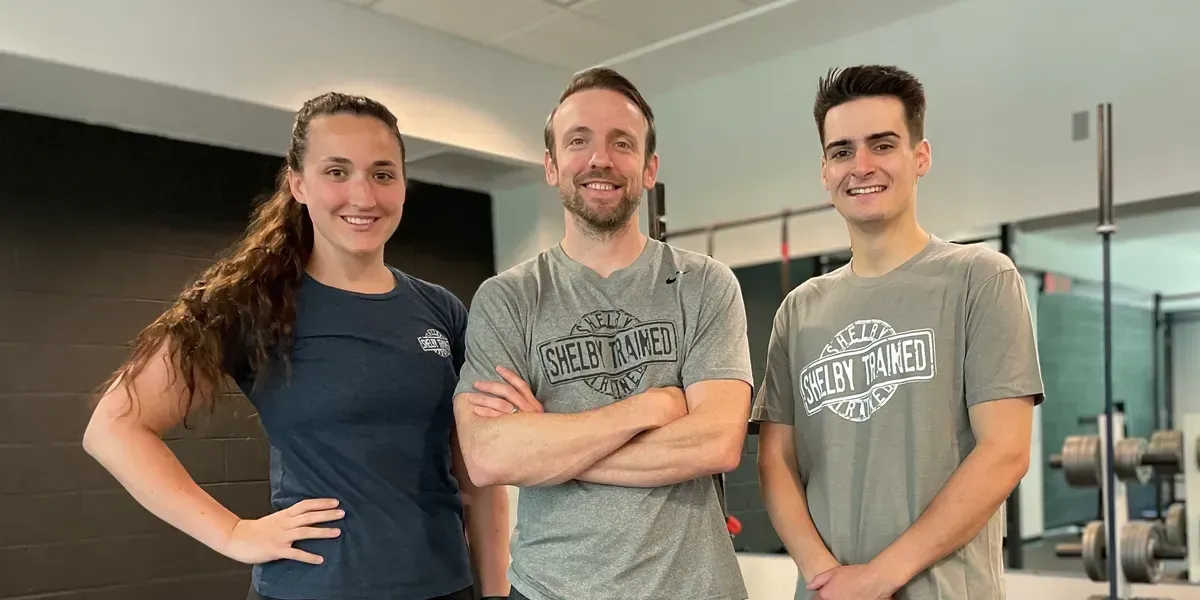
Our Team believes in providing a personalized approach to ensure your results. We are purposeful in everything from the workouts, to the coaching, to the fun/safe environment.
Learn why people seek us out to help them change their lives!
ARTICLES

July 23, 2021
Not Popular, But It's Science
July 1, 2021
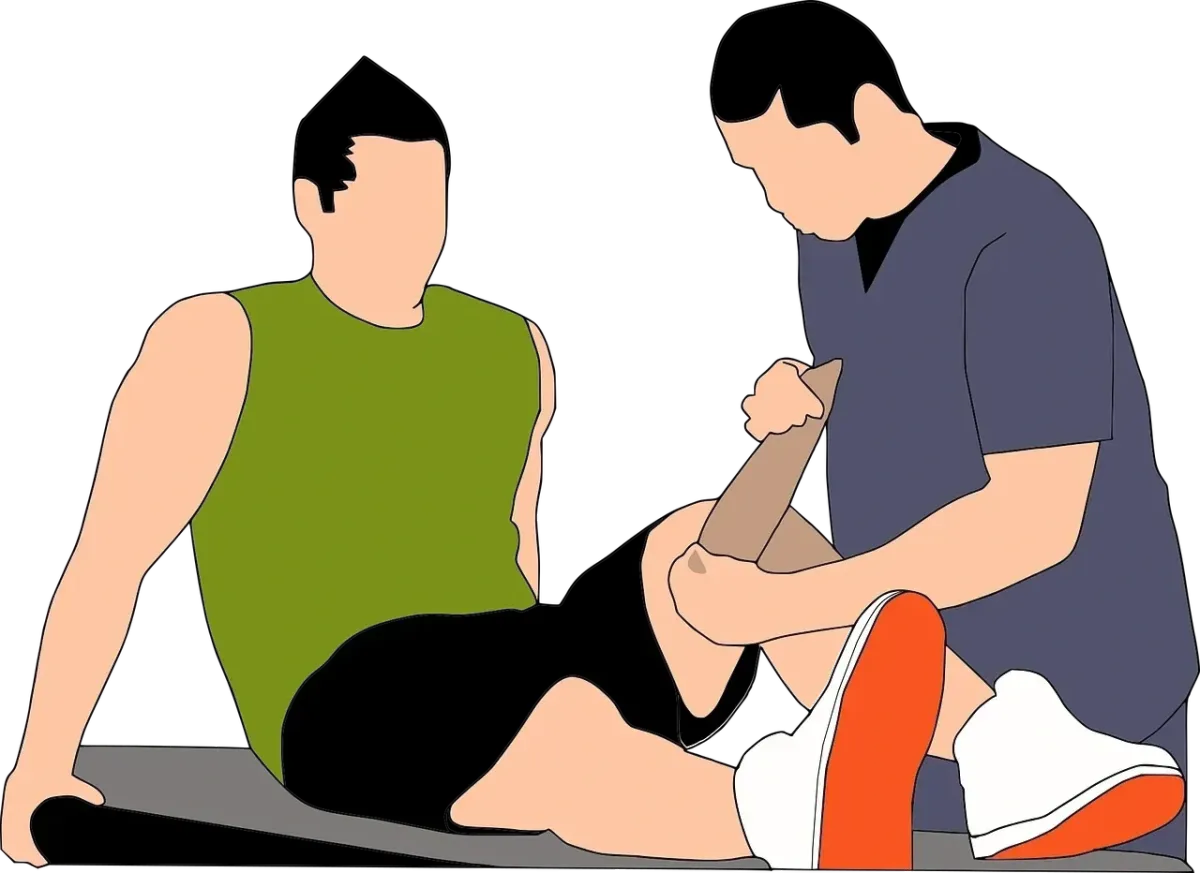
How to train around injuries

July 1, 2021
Speed - what it really is

April 28, 2021
The X factor
Copyright © 2023 Shelby Trained - All Rights Reserved.